

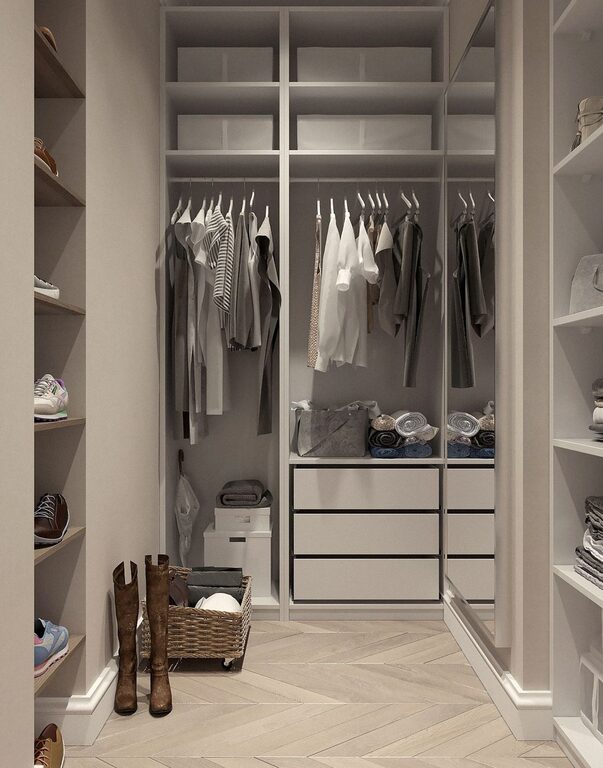
A tidy closet can make busy mornings easier, protect your clothing, and help you make better use of the space you have. The key is not simply arranging everything once. It is creating a system that is easy to maintain.
With a few thoughtful decisions and simple habits, your closet can stay organized long after cleaning day. Use these tips to sort your belongings, choose useful storage, and prevent clutter from building up again.
Start With a Full Closet Reset
Before organizing, remove everything from the closet. This may feel like extra work, but it allows you to see what you own and clean every shelf, corner, and floor area.
Place your items in clear groups, such as:
– Tops
– Pants and skirts
– Dresses and suits
– Jackets and coats
– Shoes
– Bags and accessories
– Seasonal clothing
– Items that need repair or cleaning
As you sort, check each item and ask a few practical questions:
– Do I wear this regularly?
– Does it fit comfortably?
– Is it in good condition?
– Does it suit my current lifestyle?
– Would I choose to buy it again?
Keep the pieces you use and enjoy. Set aside items to donate, recycle, repair, or discard according to their condition. Avoid keeping something only because you might wear it someday if it has not been useful for a long time.
Clean Before You Put Things Back
An empty closet is the best time to clean. Dust shelves, wipe hanging rods, vacuum the floor, and clean the inside of doors. If your closet has drawers or storage bins, wipe those surfaces as well.
Cleaning first gives your clothing a fresh place to return to and makes it easier to spot problems such as loose hardware, damaged shelves, or signs of moisture. Complete any small repairs before reorganizing so the space works well from the beginning.
Group Similar Items Together
A closet is easier to use when similar items have a clear home. Group clothing by type, then arrange each category in a way that makes sense to you.
For example, you might organize hanging clothes in this order:
- Jackets and blazers
- Dresses
- Shirts and blouses
- Sweaters
- Pants and skirts
Within each group, arrange pieces by color or shade. Color sorting is not required, but it can make items easier to find and help you notice duplicates.
You can also organize clothing by how often you use it. Keep everyday pieces at eye level and place special-occasion clothing in a less accessible area. The best system is the one that matches your routine.
Use the Right Hangers
Uniform hangers can make a closet look calmer and help create more space. Slim hangers are especially helpful in smaller closets, while sturdy hangers work better for coats, suits, and heavy sweaters.
Use hangers designed for specific items when possible:
– Padded hangers for delicate clothing
– Wide hangers for jackets and structured pieces
– Hangers with clips for skirts and pants
– Non-slip hangers for silky or lightweight tops
Avoid crowding the hanging rod. Clothes should slide easily from side to side. If removing one item causes several others to fall, the rod is probably too full.
Fold Clothes That Do Not Need to Hang
Not every item benefits from a hanger. Fold knitwear, T-shirts, casual pants, workout clothing, and items that may stretch on a hanger.
Use a folding method that allows you to see the full collection. Stacking clothes too high can make the bottom pieces difficult to reach. If possible, place folded items vertically in drawers or bins so each piece is visible.
For shelves, use smaller groups rather than one large pile. You can separate categories with baskets, shelf dividers, or labeled bins. Keep heavier items on lower shelves and lighter items higher up.
Make Good Use of Doors and Walls
Closet doors and unused vertical areas can provide valuable storage. Add hooks, over-the-door organizers, or narrow racks for items such as:
– Belts
– Scarves
– Handbags
– Hats
– Small accessories
– Everyday shoes
Use vertical space carefully. The goal is to add storage without making the closet difficult to open or navigate. Choose slim organizers and avoid hanging so many items that the door becomes heavy or crowded.
If you rent or do not want to install permanent fixtures, removable hooks and freestanding shelves can offer flexible options.
Store Shoes in a Practical Way
Shoes often create clutter because they are difficult to stack neatly. Start by keeping frequently worn pairs where they are easy to reach. Less-used or seasonal shoes can go on higher shelves or into labeled boxes.
Consider these storage options:
– A low shoe rack
– Clear shoe boxes
– Pull-out shelves
– A hanging shoe organizer
– Baskets for casual footwear
Keep pairs together and remove shoes before placing them into storage. Allowing footwear to air out can also help keep the closet feeling fresh.
Rotate Seasonal Clothing
Keeping every type of clothing in the main part of the closet can make the space feel crowded. At the start of each season, move clothing that is unlikely to be used soon into storage bins, under-bed containers, or a separate wardrobe.
Before storing seasonal pieces, make sure they are clean and completely dry. Fold them carefully and use breathable containers when possible. Add a simple label so you know what each container holds.
Seasonal rotation is also a useful opportunity to review your clothing. If you did not wear something during the previous season, consider whether it still belongs in your collection.
Create a Small “Wear Again” Area
Many people leave worn-but-not-dirty clothing on a chair, the floor, or a nearby surface. Create a specific place for these items instead.
A few options include:
– A set of hooks
– A small basket
– A dedicated section of the closet
– A separate hanger on the back of the door
Keep this area limited. Once an item has been worn again, return it to the laundry or closet. A defined space prevents temporary clothing piles from becoming permanent clutter.
Add Simple Labels
Labels are especially useful for storage bins, baskets, and high shelves. Use short descriptions such as “winter accessories,” “travel items,” or “extra linens.”
Labels help everyone in the household return items to the right place. They also save time when you are looking for something stored out of sight. If your storage needs change, update the labels rather than creating a new system.
Build Small Maintenance Habits
A closet stays organized when tidying becomes part of your normal routine. You do not need to spend hours reorganizing every week.
Try these simple habits:
– Return clothing to its proper place after laundry day.
– Hang or fold items as soon as you change.
– Put shoes away before leaving the room.
– Remove one unwanted item whenever you add something new.
– Straighten one shelf or drawer each week.
– Keep a donation bag nearby for items you no longer use.
A quick five-minute reset can prevent a much larger cleanup later. Choose a regular time, such as the end of the week, to check the floor, shelves, and hanging areas.
Make the System Fit Your Life
The most organized closet is not always the one with the most containers or the neatest appearance. It is the one that makes daily use simple.
If you wear the same items often, keep them at the front. If you prefer folding clothes, do not force yourself to hang everything. If you share the closet, assign clear sections to each person.
Review your system after a few weeks. Notice what becomes messy first and adjust that area. A closet may need different solutions as your schedule, clothing, or storage space changes.
With thoughtful sorting, practical storage, and a few consistent habits, you can create a tidy closet that stays organized without constant effort.