

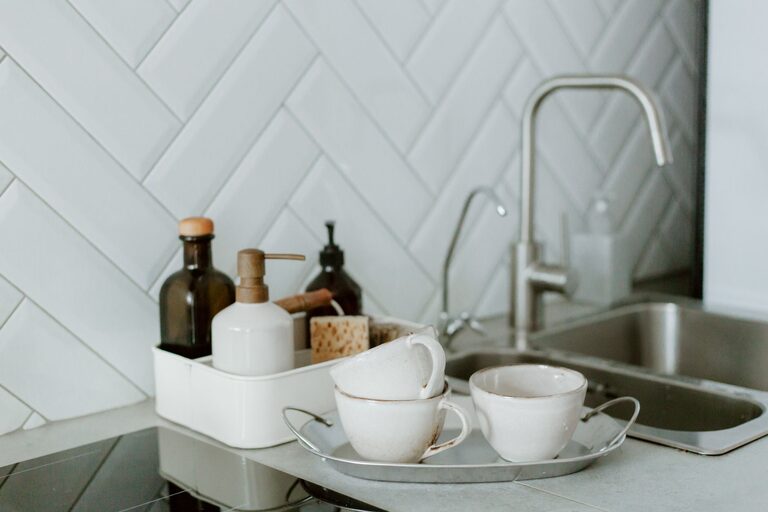
A clutter-free kitchen counter can make the entire room feel cleaner, calmer, and easier to use. When appliances, mail, dishes, and food containers pile up, even a large kitchen can feel cramped. The good news is that you do not need a major renovation to create more open space. A few thoughtful decisions and simple daily habits can make a noticeable difference.
Start With a Clean Slate
Before organizing your counters, remove everything from them. Place each item on the kitchen table, dining table, or another nearby surface. This gives you a clear view of what you actually keep on the counter.
Clean the empty counter thoroughly, including corners and areas behind appliances. Starting with a clean surface makes it easier to decide what deserves to return.
As you sort through the items, divide them into three groups:
– Keep on the counter
– Store somewhere else
– Remove from the kitchen
Be honest about how often you use each item. If something has not been used in several months, it may not need valuable counter space. You can store it in a cabinet, donate it, or recycle it if appropriate.
Keep Only Daily Essentials Visible
The most useful rule for a tidy counter is simple: keep only the items you use every day or almost every day in plain sight.
Common examples include:
– A coffee maker used each morning
– A toaster used regularly
– A knife block
– A fruit bowl
– A cutting board used for most meals
Items used only occasionally, such as specialty baking tools, large serving dishes, and seasonal appliances, should go into a cabinet, pantry, or storage closet.
If you use an appliance only once or twice a month, storing it away will usually save more space than leaving it out for convenience. You can always bring it out when needed.
Create Zones for Different Activities
Kitchen counters work better when each area has a clear purpose. Instead of spreading items across the entire counter, group them into zones.
Cooking Zone
Place frequently used cooking tools near the stove. A utensil holder, spice container, or cutting board may be helpful here. Keep the area around the burners as open as possible for food preparation and safety.
Coffee or Drink Zone
If you make coffee or tea every day, gather the related items in one place. Keep the coffee maker, mugs, and commonly used supplies together. A small tray can help contain loose items such as sweeteners, tea bags, or spoons.
Food Preparation Zone
Leave one section of counter open for chopping, mixing, and assembling meals. This space is especially valuable because it gives you room to work without moving several items first.
Cleaning Zone
Keep soap, sponges, and brushes near the sink, but avoid letting them spread across the surrounding counter. A small tray or caddy can keep these supplies together and make the area look more organized.
Use Vertical Storage
When counter space is limited, look upward. Vertical storage uses wall space, cabinet doors, and the sides of cabinets without taking up much room.
Consider adding:
– A wall-mounted rail for utensils
– Hooks for measuring cups or mugs
– A magnetic strip for selected kitchen tools
– A shelf for spices or small jars
– A rack that hangs beneath a cabinet
– An over-the-door organizer for cleaning supplies
Make sure any wall-mounted storage is securely installed and placed away from heat or water when necessary. Choose storage that fits your routine rather than adding more items simply because they look attractive.
Improve Cabinet and Drawer Organization
Counters often become cluttered when cabinets and drawers are difficult to use. If putting something away feels frustrating, it is more likely to remain out in the open.
Make storage easier by grouping similar items together. For example, keep food containers in one cabinet, baking supplies in another, and everyday dishes near the dishwasher or sink.
Helpful improvements include:
– Drawer dividers for utensils
– Shelf risers for plates and bowls
– Pull-out bins for pantry goods
– Clear containers for frequently used ingredients
– Lazy Susans for corner cabinets
– Small bins for packets and loose items
Do not pack cabinets so tightly that you cannot see or reach what is inside. A little extra space makes it easier to return items to their proper places.
Control Paper and Mail
Mail, receipts, school papers, and notes can quickly take over a kitchen counter. Create one designated location for paper instead of allowing it to spread.
A wall file, basket, or small desktop organizer can hold items that need attention. Sort through the collection regularly and remove anything that is no longer needed.
Try to handle mail as soon as it enters the home:
- Recycle unwanted paper.
- File important documents.
- Place bills or reminders in a designated area.
- Move personal items out of the kitchen.
This small routine can prevent paper clutter from becoming a permanent part of your kitchen.
Find a Home for Small Appliances
Small appliances are convenient, but several of them can quickly fill your counters. Consider which appliances deserve permanent space and which ones can be stored away.
If cabinet storage is limited, look for underused areas such as:
– A pantry shelf
– A rolling kitchen cart
– A deep lower cabinet
– A nearby utility closet
– A shelf inside a breakfast nook or dining area
You can also group appliances by frequency of use. Keep everyday appliances easy to reach and store occasional appliances higher up or farther back.
Avoid stacking heavy appliances where they are difficult to lift safely. Storage should be practical, not just visually neat.
Use Trays and Baskets
Trays and baskets are simple tools for containing groups of related items. A tray can hold cooking oils, a coffee setup, or cleaning supplies. A basket can gather fresh produce, snacks, or bread.
These containers create visual boundaries and make cleaning easier. Instead of moving several individual items, you can lift one tray or basket and wipe beneath it.
Choose containers that are easy to clean and sized appropriately for the space. Oversized baskets may take up more room than they save.
Keep the Counter Clear During the Day
A clutter-free kitchen is easier to maintain when you reset it throughout the day. After preparing a meal, return ingredients to the pantry or refrigerator and put tools in the sink or dishwasher.
A quick reset may include:
– Returning appliances to their storage spots
– Putting dishes in the dishwasher
– Wiping the counter
– Sorting mail and papers
– Moving unrelated items to their proper rooms
– Emptying small piles of trash or recycling
These tasks usually take only a few minutes, especially when you do them regularly.
Create a Simple Evening Reset
An evening reset helps you begin the next day with a clean, usable kitchen. Choose a time that fits your schedule, such as after dinner or before bed.
Work through the kitchen in the same order each night:
- Clear dishes and food from the counter.
- Put away appliances and ingredients.
- Wipe the surfaces.
- Check the sink and dishwasher.
- Return misplaced items to their proper locations.
You do not need to make the process complicated. Consistency matters more than perfection.
Avoid Replacing Clutter With More Organizers
Storage products can help, but buying too many organizers may create another layer of clutter. Before purchasing anything, measure the space and decide exactly what problem the item will solve.
Ask yourself:
– Will this make an everyday task easier?
– Do I already own something that serves the same purpose?
– Can I store the items another way?
– Is it easy to clean and maintain?
The best organization solutions are simple, accessible, and suited to your habits.
Make Clutter-Free Habits Easy to Follow
A tidy counter is not about keeping the kitchen perfect. It is about making it easy to put things away. Give every commonly used item a clear home, and store items near where you use them.
If an item repeatedly ends up on the counter, consider whether its current storage location is practical. Moving it to a more convenient cabinet or drawer may solve the problem.
With fewer visible items, defined zones, better storage, and a quick daily reset, your kitchen counters can stay open and functional. The result is a space that feels more comfortable and makes everyday cooking and cleaning much easier.